How Roofing Service Delivers Long-Lasting Durability
How to Detect Roof Damage: Signs You Should Hire a Expert Roofing Company
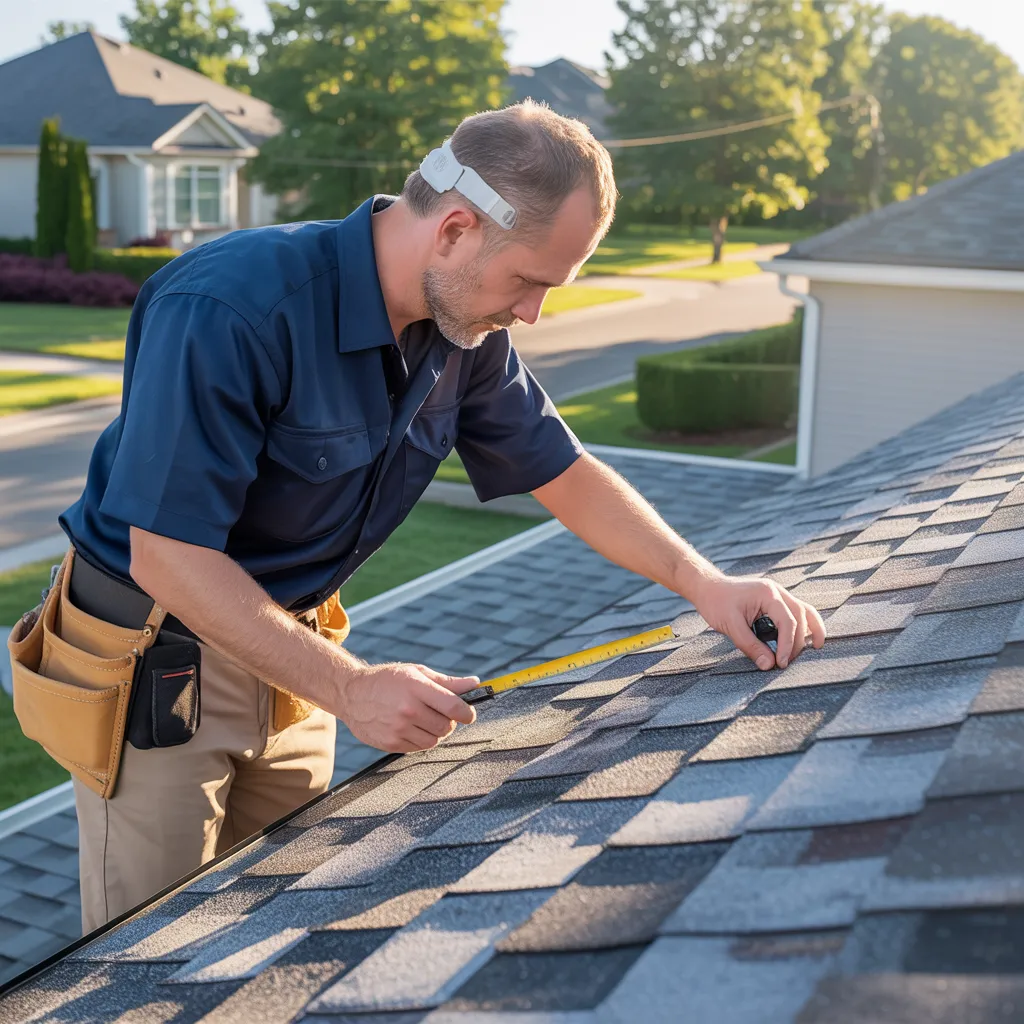
Identifying roof damage early is essential for protecting a home's value. Homeowners should be watchful for signs such as absent roof tiles, moisture marks, or drooping sections. Routine checks can help detect issues before they escalate. However, many may overlook hidden damage or downplay the dangers of DIY repairs. Understanding the signs that necessitate professional intervention can lead to improved maintenance decisions. What are the critical indicators that suggest it's time to contact professionals?
Approaches to Identify Roof Issues Quickly
When homeowners consistently check their roofs, they can detect problems quickly and prevent expensive maintenance. A comprehensive inspection should include looking for damaged or split shingles, as these can expose the underlying structure to moisture. Property owners should also watch for granule loss, which can indicate wear and tear. Additionally, inspecting flashing around chimneys and vents is crucial, as damaged flashing may cause leaks.
Another key component is reviewing the condition of gutters and downspouts, confirming they are clear of debris. Evidence of staining from water on ceilings or walls inside the home can further suggest roof troubles. Homeowners should observe sections that droop, which may indicate building issues. By performing these standard checks and recording any oddities, homeowners can take preventive steps, enlisting expert assistance when needed to tackle potential roof deterioration before it worsens.
The Influence of Weather on Your Roof
Weather serves a vital function in the integrity of a roof. Rain can bring about water damage, while strong winds and debris can inflict significant structural issues. Knowing these impacts is essential for ensuring a roof's longevity and performance.
Rain and Water Degradation
Although roofs are designed to withstand different weather conditions, continuous rainfall and water exposure can lead to significant damage over time. Water can infiltrate roofing materials, creating decay and compromising the structural soundness. Common signs of rain-related damage consist of ceiling and wall stains, which indicate leaks, and the presence of mold or mildew, revealing prolonged moisture. Additionally, standing water on flat roofs can accelerate wear, leading to membrane failure. Homeowners should frequently check their roofs, particularly following intense storms, to detect any visible damage or wear. Timely intervention is essential; ignoring minor issues can result in costly repairs down the line. Engaging a roofing professional guarantees comprehensive evaluations and suitable remedies to reduce water-related damage.
Wind and Debris Effects
High winds and flying fragments can inflict serious damage on roofs, often leading to costly repairs. Strong bursts may lift shingles, creating vulnerabilities that allow water infiltration. Loose or missing shingles not only compromise the roof’s integrity but can also result in additional damage to underlying structures. Debris, such as branches or gravel, can puncture or scrape roofing materials, exacerbating wear and tear. Homeowners should regularly inspect their roofs following severe weather events, looking for signs such as displaced shingles, dents, or punctures. Additionally, the presence of debris accumulation may indicate potential drainage issues, further heightening the risk of water damage. Engaging a professional roofing company can provide a thorough assessment and necessary repairs to guarantee long-term roof health.
Why It's Important to Survey Your Roof Often
Frequent roof inspections are critical for upholding the structural integrity of a home. By identifying minor troubles early, homeowners can eliminate expensive maintenance expenses and prolong the lifespan of their roofing system. Valuing these assessments promotes overall property value and safety.
Steer Clear of Expensive Repairs
Proactively inspecting a roof can save homeowners significant expenses in the long run. Regular inspections can identify small issues before they grow into major problems, such as leaks or damage to the structure. By addressing these concerns early, homeowners can avoid costly repairs and prolong their roofing system. Common indications to look for include missing shingles, granules in gutters, or water stains on ceilings. Seasonal inspections, particularly after severe weather, can help spot potential damages early. Engaging a professional roofing company for comprehensive evaluations guarantees that no hidden issues are overlooked. Ultimately, maintaining carefulness with roof inspections not only protects the home but also safeguards the homeowner’s financial investment.
Lengthen Roof Lifespan
Homeowners who emphasize regular roof inspections not only prevent costly repairs but also significantly lengthen the lifespan of their roofs. Routine checks allow for early detection of problems such as leaks, missing shingles, or damage caused by weather elements. By addressing these problems promptly, homeowners can avoid more extensive damage that could necessitate a full roof replacement. Furthermore, regular maintenance helps guarantee that roofing materials remain effective, reducing wear and tear over time. Engaging professional roofing services for these inspections can provide an expert assessment, thus protecting the investment in the home. By adopting this proactive approach, homeowners can experience peace of mind, knowing their roofs are in peak condition and will last longer.
Finding Hidden Problems in Your Attic
What is the best way to identify concealed deterioration in an attic? To start, a comprehensive inspection of the attic's framework is essential. Indicators of water damage, such as stained timber or fungal growth, can indicate roof leaks. Homeowners should search for drooping rafters or strange odors, which may suggest moisture accumulation. Furthermore, examining insulation for dampness or mold can uncover hidden problems.
Ventilation is a fundamental key factor; poor airflow may lead to condensation and subsequent damage. Inspecting the condition of roof sheathing is essential; any warping or discoloration may reveal problems. Also, checking for pests can uncover hidden damage, as rodents or insects can compromise insulation and structural integrity.
Regular checks, ideally executed twice a year, will help guarantee that any concealed damage is spotted early, permitting for quick repair by a professional roofing company.
How to Assess Roof Damage in the Wake of a Storm
After checking the attic for concealed damage, focus must move to the roof's exterior, especially following a storm. Homeowners should begin by examining shingles for lost, cracked, or curled sections. A close look at the edges and valleys is crucial, as these areas are particularly vulnerable to storm damage. Additionally, any debris, such as branches or leaves, should be removed, as they can trap moisture and lead to further issues.
Following that, inspecting gutters and downspouts for granules or shingle fragments can suggest substantial damage. Homeowners should also check for evidence of leaks or water stains inside the house, as these may suggest roof integrity issues. Finally, a visual assessment of flashing around chimneys and vents can reveal compromised seals. If any of these signs are present, it may be time to contact a professional roofing company for a comprehensive review and necessary repairs.
Old Materials: Signs Your Roof Requires Maintenance
deterioration.
An additional indicator is spots or discoloration on the roof surface, often revealing water damage or mold growth. Homeowners should also look for sunken spots, which may point to structural issues or trapped moisture.
Flashing around chimneys and vents can decline over time, causing leaks that require immediate response. Lastly, if the roof is drawing near to or has surpassed its standard life span, a professional assessment is advisable. Identifying these signals can help maintain the roof's functionality and protect the home from costly damage.
Risks of DIY Roof Maintenance
Undertaking DIY roof restorations can seem like a affordable option, but it usually carries considerable risks. Homeowners might underestimate the complexity of roofing systems, which leads to substandard repairs that can intensify current issues. Without the appropriate tools and expertise, individuals might also overlook essential safety measures, increasing the likelihood of accidents. Falling from heights poses a serious danger, not only to the individual conducting the repairs but also to others nearby.
Additionally, subpar repairs can cause further damage to the roof and underlying structures, ultimately leading to costlier maintenance. Homeowners may also invalidate coverage by attempting unauthorized fixes. Finally, municipal construction standards might not be adhered to, leading to regulatory penalties. Consequently, while DIY repairs may appear appealing, the potential hazards and long-term financial implications often exceed the initial savings. Hiring an expert guarantees that repairs are done properly and securely.
When is it time to call a professional roofing company?
Detecting the evidence of roof damage is key for homeowners, particularly after severe weather or noticing leaks. When damage signs become clear—like missing shingles, water stains on ceilings, or sagging spots—it’s important to assess the situation quickly. Homeowners should hire a professional roofing company if they find significant wear, major damage, or if the roof is over 20 years old. Furthermore, if leaks persist despite temporary repairs or if mold or mildew are present, professional help is necessary. A roofing expert can deliver a full inspection, making sure every problem is identified and resolved. Moreover, Roofing Company homeowners should seek professional assistance if they have little experience in roof repairs or are uncomfortable with heights. In the end, acting promptly can prevent more damage and expensive repairs, so consulting a qualified roofing professional when in doubt is recommended.
Often Asked Questions and Answers
When Often Should I Evaluate My Roof for Problems?
Authorities recommend reviewing a roof at least twice yearly, preferably in spring and fall, to spot any potential damage. Additionally, checks should happen after extreme weather to ensure the roof stays in good condition.
What Represent the Usual Factors Behind Roof Leaks?
Factors of roof water intrusion typically feature damaged shingles, improper installation, clogged gutters, and flashing issues. Environmental stress, debris accumulation, and age also contribute greatly, necessitating consistent care to stop more structural damage.
Is Repairing Roof Harm Something I Can Do Myself?
While some trivial roof damage can be remedied by occupants with rudimentary skills, significant issues often necessitate expert knowledge. Evaluating safety and potential complications is essential before choosing to pursue any fix independently.
What timeframe can you anticipate from a typical roof?
A general roof survives between 20 to 30 years, affected by materials, installation quality, and maintenance. Scheduled checkups can extend its lifespan, ensuring early recognition of conceivable problems that may emerge over time.
What Insurance Covers Roof Damage Work?
Homeowners insurance commonly covers repairs to roof damage, depending on the policy. Coverage may include storm damage, fire, or vandalism, while normal wear and tear is generally excluded. Reviewing the specific policy details is essential for clarity.
As a closing note, we have analyzed the vital subjects highlighted across this discussion.
To conclude, prompt identification of roofing issues is crucial for preserving a safe and secure home. Regular inspections, particularly after harsh conditions, can reveal hidden issues before they escalate. Homeowners should be watchful for signs of wear, such as missing shingles or water stains, and avoid the risks related to do-it-yourself fixes. When in doubt, contacting a professional roofing company ensures that problems are addressed correctly, protecting the home's integrity and avoiding costly future repairs.